

Fat loss is one of the most sought-after goals for many who want a healthier body or to improve their well-being. But how do you actually lose fat – and why is it often harder than it sounds? In this article, you’ll get a simple, thorough, and practical overview of how the body burns fat, which factors play a role, and what you can do to achieve lasting fat loss.
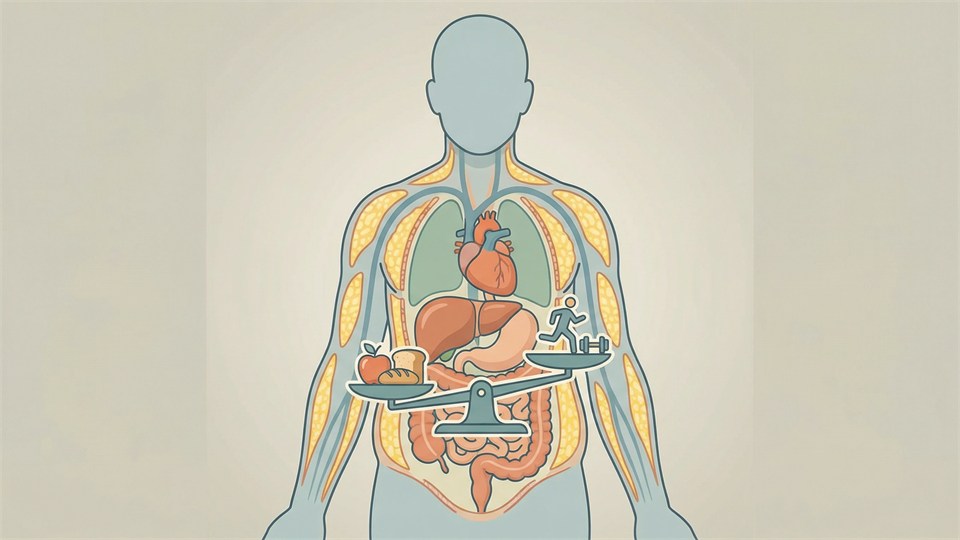
Fat loss is about reducing the amount of stored fat in the body. The body stores excess energy as fat, primarily under the skin (subcutaneous fat) and around the organs (visceral fat). When you burn more energy than you take in through food and drink, the body begins to use its fat stores as fuel. This is called a calorie deficit.
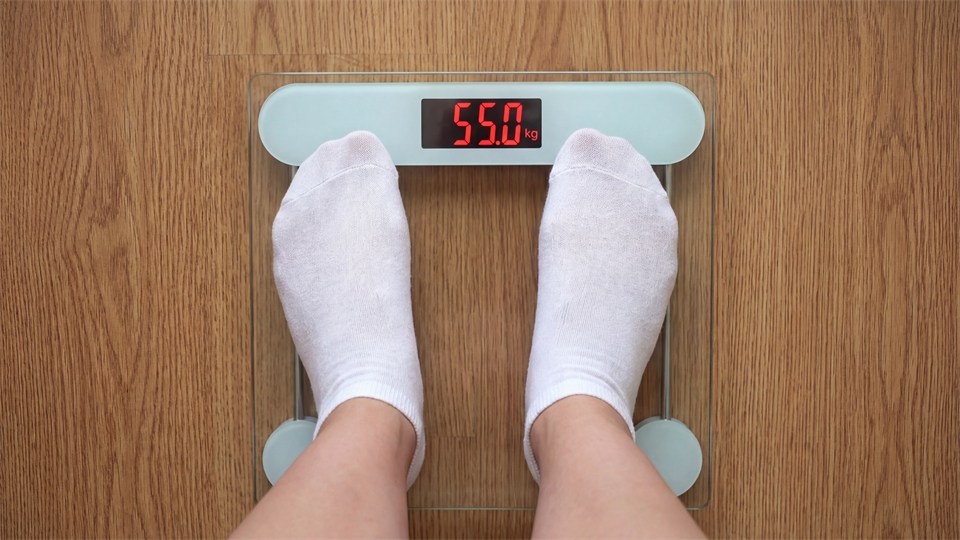
It’s important to understand that “fat loss” is not necessarily the same as “weight loss.” You can lose weight (e.g., through water loss) without necessarily losing fat. Conversely, you can gain muscle mass while losing fat – and the number on the scale may not change much, even though your body composition becomes healthier.
The most important factor for fat loss is energy balance – that is, the relationship between how much energy you consume (calories from food and drink) and how much you burn (calories used for everything from basal metabolism to physical activity). To lose fat, you need to be in a calorie deficit, i.e., consume fewer calories than you burn.
It sounds simple, but how do you achieve this deficit in practice?
There are two basic ways to create a calorie deficit:
Many benefit from combining both. For example: If you cut 250 calories from your diet daily and burn an extra 250 calories through activity, you achieve a total deficit of 500 calories. That’s equivalent to about half a kilo of fat per week, as 1 kilo of body fat contains about 7,000 calories.
Diet is the most effective lever for fat loss because you often have more control over what you eat than how much you move. Small changes in your diet can yield big results.
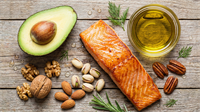
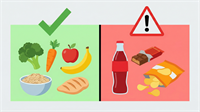
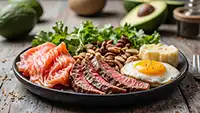
Focus on foods that are filling per calorie, such as vegetables, whole grains, lean meats, fish, eggs, legumes, and low-fat dairy products. They often contain fiber and protein, which increase satiety and make it easier to stick to a calorie deficit.
Candy, chips, cakes, soda, and alcohol provide many calories without filling you up. By cutting down on these, you can easily reduce your total calorie intake.
Let’s say you drink half a liter of soda every day (about 200 calories). If you replace it with water or sugar-free soda, you save 1,400 calories a week – equivalent to almost 200 grams of body fat.
Exercise is not necessary for fat loss, but it can make the process easier and healthier. When you move, you burn extra calories, and at the same time, you strengthen muscles, joints, and your cardiovascular system. Regular exercise can also make it easier to maintain weight loss and improve mood and energy levels.

The “best” type of exercise is the one you enjoy and want to keep doing over time. Both strength training and cardio (e.g., walking, running, cycling, dancing) increase your energy expenditure. Strength training has the added benefit of helping you maintain muscle mass while losing fat.
Everything counts – walks, gardening, taking the stairs, cycling to work, or playing with your children. Small changes can collectively increase your daily calorie burn significantly.
Although energy balance is crucial, there are several other factors that can play a role:
It’s important not to give up if you encounter setbacks. Small, consistent changes often yield the best and most lasting results.
There are many myths about fat loss. Here are some of the most widespread:
If you experience major challenges with losing fat, or if you have a medical condition, it may be a good idea to seek advice from a doctor, dietitian, or other health professional. They can help you with a personalized plan and support you along the way.
Fat loss requires a calorie deficit, which is achieved through a combination of dietary changes, increased physical activity, and persistence. Start with small steps, focus on sustainable changes, and give yourself time – then you’re well on your way to a healthier relationship with food, exercise, and your own body.