

Body fat percentage is a term that is widely used in the worlds of health, fitness, and nutrition. But what does it actually mean, and why is it important to know your body fat percentage? In this article, you will get a thorough and easy-to-understand overview of body fat percentage, how it is measured, and what role it plays in your health and well-being.
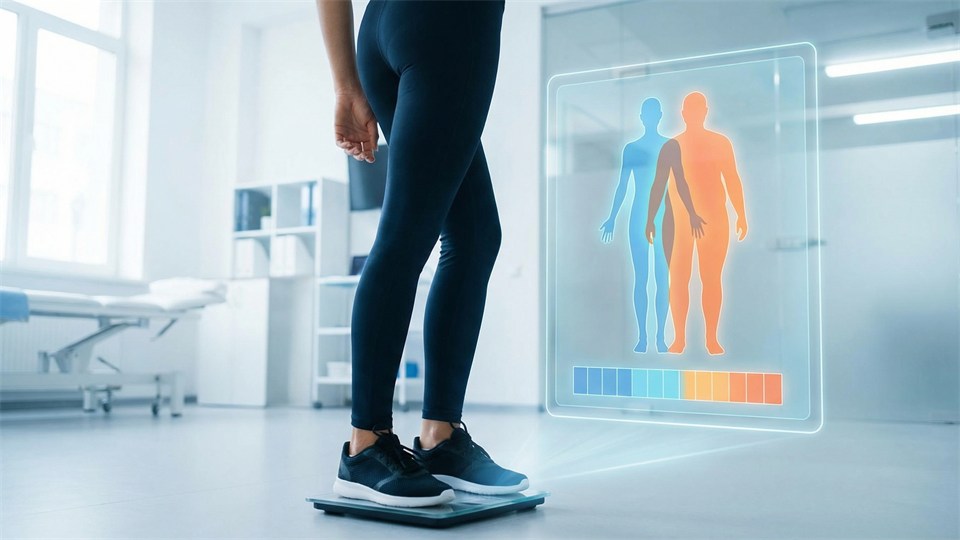
The body fat percentage indicates what proportion of your total body weight consists of fat. In short: If you weigh 80 kg, and 20% of your body weight is fat, then you have 16 kg of fat on your body. The rest of your body weight consists of muscles, bones, organs, fluids, and other tissues.
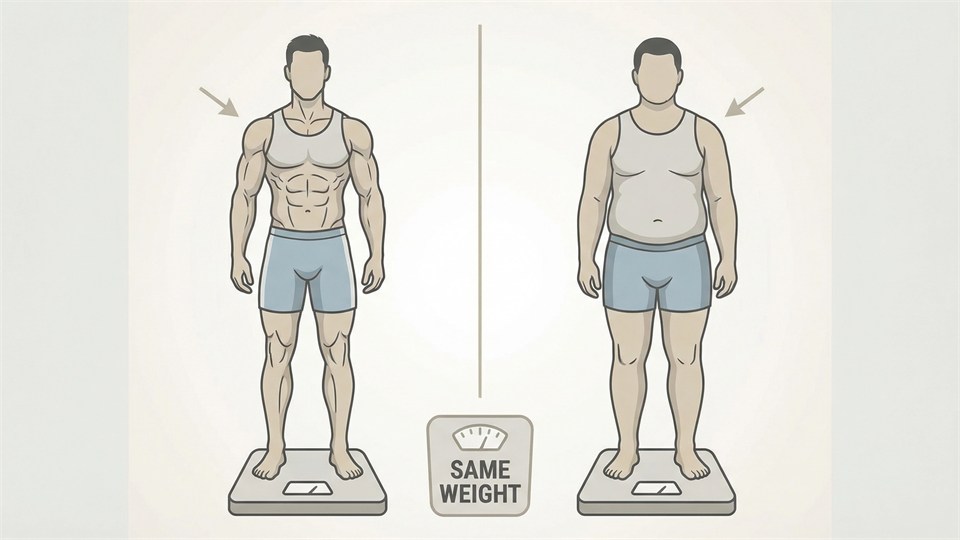
It is important to understand that the body fat percentage does not tell you how much fat you have in absolute kilos, but what proportion of your total weight the fat makes up. Two people can weigh the same but have very different body fat percentages – depending on how much muscle mass and how much fat they have.
Fat in the body is not just a "storage" we use as an energy reserve. Fat tissue has several important functions:
Therefore, the goal is not to have zero fat on the body – on the contrary, too little fat can be just as unhealthy as too much.
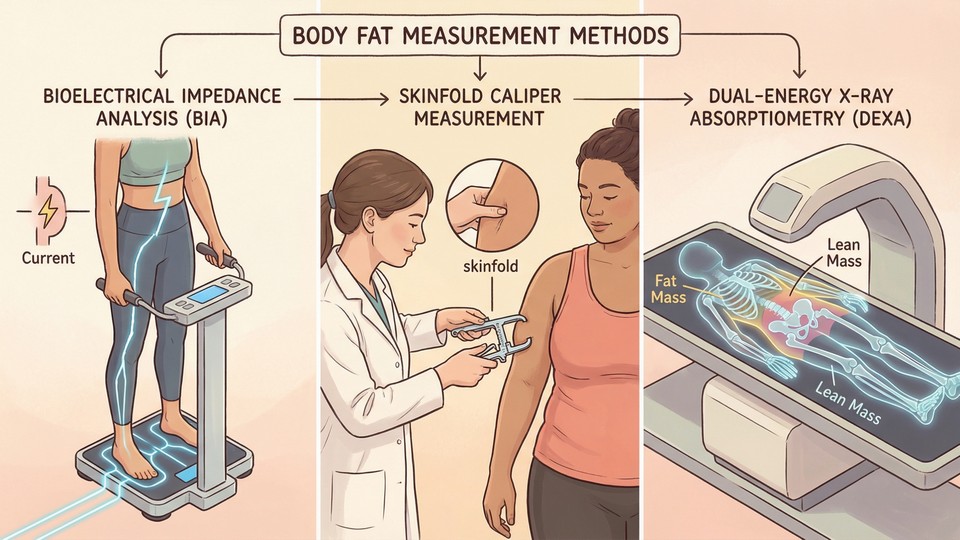
There are several different methods to measure body fat percentage. Some are very precise and require advanced equipment, while others can be performed at home with simple tools. Here are the most common:
This is the most widespread method for home use and in fitness centers. A BIA scale sends a weak, harmless electrical current through the body. Because fat conducts electricity worse than muscle, the scale can calculate what proportion of the body consists of fat. However, the result can vary depending on the body's fluid content, food intake, and time of day.
Here, a special caliper is used to measure the thickness of skin folds at various places on the body. These measurements are entered into formulas that estimate the body fat percentage. The method requires some practice to become accurate, but can give a good picture, especially if you measure yourself the same way each time.
DEXA (Dual-Energy X-ray Absorptiometry) is an advanced scan used in hospitals or clinics. It can very accurately measure the distribution of fat, muscle, and bones. It is the most precise method, but also expensive and not available to everyone.
Other methods include hydrostatic weighing (weighing in water), bod pod (air displacement measurement), and MRI scanning. These are rarely used in practice outside of research environments.
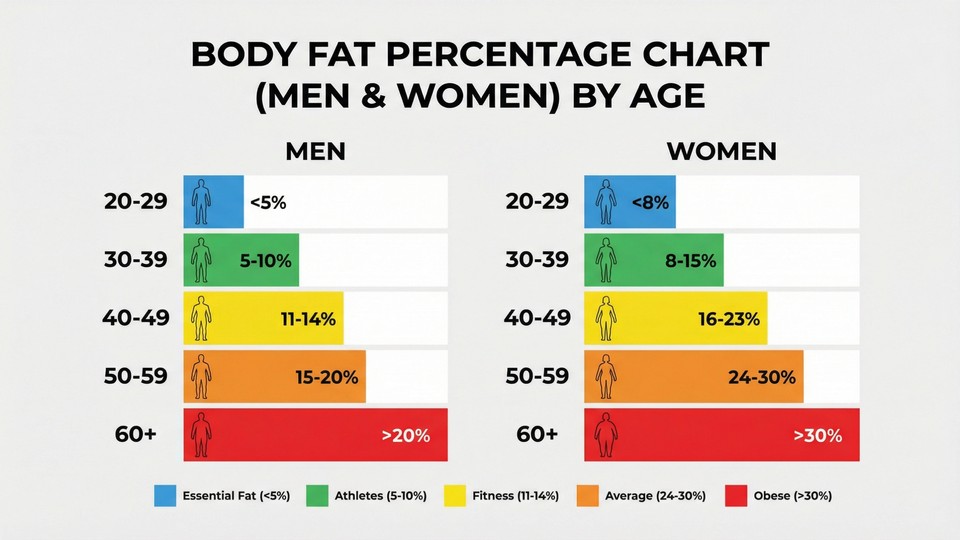
What is considered "normal" depends, among other things, on age, gender, and physical activity. Women naturally have a higher body fat percentage than men because the female body is biologically designed to be able to carry and nourish a child. Here are general guidelines:
With age, body fat percentage often increases naturally, even without weight gain, partly because muscle mass decreases. Therefore, "healthy" levels also vary with age.
Both too high and too low body fat percentage can have health consequences:
So it is not just the weight itself that matters – it is especially the distribution of fat and muscle that is important for health and well-being.
BMI (body mass index) is often used as a quick method to assess whether a person is of normal weight, underweight, or overweight. However, BMI does not take into account how the weight is distributed between muscle and fat. A well-trained person can, for example, have a high BMI but low body fat percentage, because muscle weighs more than fat.
Body fat percentage is therefore a more nuanced measure of health than BMI alone. Many health professionals therefore recommend using body fat percentage as a supplement to BMI, especially for people who train a lot or want to optimize their body composition.
If you want to change your body fat percentage, it is essentially about changing the ratio between muscle mass and fat mass. Here are some general tips:
Remember, it is always a good idea to consult a health professional if you have concerns about your body fat percentage or wish to change it significantly.
Let us take some examples that illustrate the difference in body fat percentage in practice:
Although the two people weigh the same, they will look very different and have different health profiles. Person A will typically have more defined muscles and a lower risk of lifestyle diseases, while person B may have an increased risk of diseases related to high fat mass.
Body fat percentage is a central measure of the body's health because it says something about the balance between fat and muscle – not just the total weight. Both too high and too low body fat percentage can have negative consequences for health, and the best is to stay within the recommended levels. Whether you want to optimize your health, performance, or appearance, body fat percentage is an important number to know and keep an eye on.