



Carbohydrates are one of the most discussed and misunderstood nutrients we get from our diet. They play a crucial role in our body's energy supply, but there are many different types of carbohydrates, each affecting the body in its own way. In this article, we guide you through what carbohydrates actually are, what forms exist, how they are digested, and why they are important for your health.
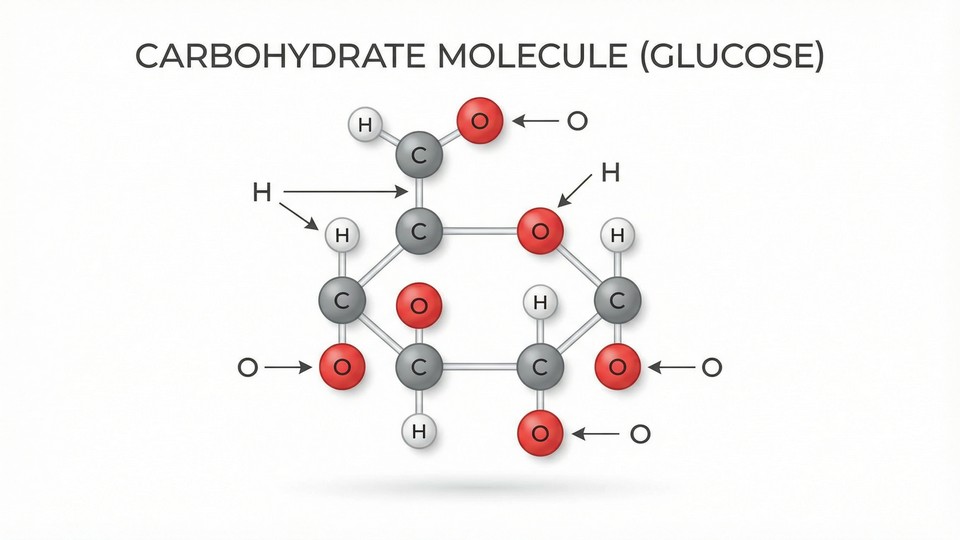
Carbohydrates are organic compounds that primarily consist of carbon, hydrogen, and oxygen. They are found in almost all plants and many animal foods. Carbohydrates are considered the body's preferred energy source because they can be quickly and efficiently converted into glucose, which cells use as fuel. In addition to providing energy, carbohydrates also play a role in cell communication and the construction of certain body structures.
A carbohydrate molecule typically consists of a chain of carbon atoms, to which hydrogen and oxygen atoms are attached. The simplest carbohydrates are called monosaccharides, and the more complex ones consist of many chained units. Examples of monosaccharides are glucose and fructose, which are found naturally in fruits and vegetables. When these are joined together, disaccharides (such as sucrose – regular sugar) or polysaccharides (such as starch and dietary fiber) are formed.
Carbohydrates are often classified according to their chemical structure and digestibility. Here is an overview of the most important types:
Simple carbohydrates consist of one or two sugar units. They include:
Simple carbohydrates are especially found in sugar, honey, fruit, berries, milk, and certain vegetables.
Complex carbohydrates consist of many chained sugar units (polysaccharides). They are broken down and absorbed more slowly and therefore provide a more stable energy release. The most important complex carbohydrates are:
Complex carbohydrates are typically associated with healthier foods, especially when they come from whole grains, vegetables, and legumes.

Carbohydrates begin to be broken down already in the mouth by the enzyme amylase. When the food reaches the stomach and small intestine, the breakdown continues so that all carbohydrates, except dietary fiber, end up as simple sugar molecules (primarily glucose). The glucose is absorbed into the blood and transported to the body's cells, where it is used as energy or stored as glycogen in the liver and muscles.
Dietary fiber cannot be digested by the body's own enzymes, but it is very important for gut health because it nourishes beneficial gut bacteria and aids digestion.
When the glucose from the carbohydrates is absorbed into the blood, blood sugar rises. The pancreas releases the hormone insulin, which helps the glucose enter the cells. Insulin also ensures that excess glucose is stored as glycogen in the liver and muscles. If blood sugar becomes too high or too low, it can cause problems for the body.
Carbohydrates have several important functions:
It is therefore important not to exclude carbohydrates from the diet, but to choose the right sources.
Not all carbohydrates are equally healthy. The quality depends on how processed they are and how much fiber they contain. Here are some examples:
A high intake of refined carbohydrates can lead to rapid blood sugar fluctuations and increase the risk of overweight and lifestyle diseases.
It is recommended that carbohydrates make up about 45-60% of the daily energy intake. This corresponds to 225-300 grams of carbohydrates per day for an adult with an average energy requirement. However, the need varies depending on age, activity level, and any illnesses. For example, athletes often have a greater need for carbohydrates than people with a sedentary job.
It is best to spread the intake throughout the day and choose slow, fiber-rich carbohydrates to keep blood sugar stable.

There are many myths about carbohydrates, especially in connection with weight loss and diets. Here are some of the most widespread misunderstandings:
It is therefore more important to focus on quality rather than just the amount of carbohydrates.
Many popular diets, such as low-carb and keto, recommend severely limiting carbohydrate intake. These diets may have certain benefits for weight loss and blood sugar control in specific groups, but they are not necessary for everyone. For most people, it is more appropriate to choose healthy carbohydrate sources and avoid over-processed products, rather than excluding entire food groups.
Carbohydrates are an important part of a healthy and balanced diet. They provide the body with energy, support the function of the brain and muscles, and contribute to proper digestion. By choosing the right carbohydrate sources, such as whole grains, fruit, and vegetables, you get both energy and nutrition while reducing the risk of lifestyle diseases. Drop the myths – and eat carbohydrates with care!