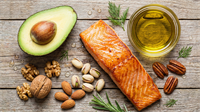
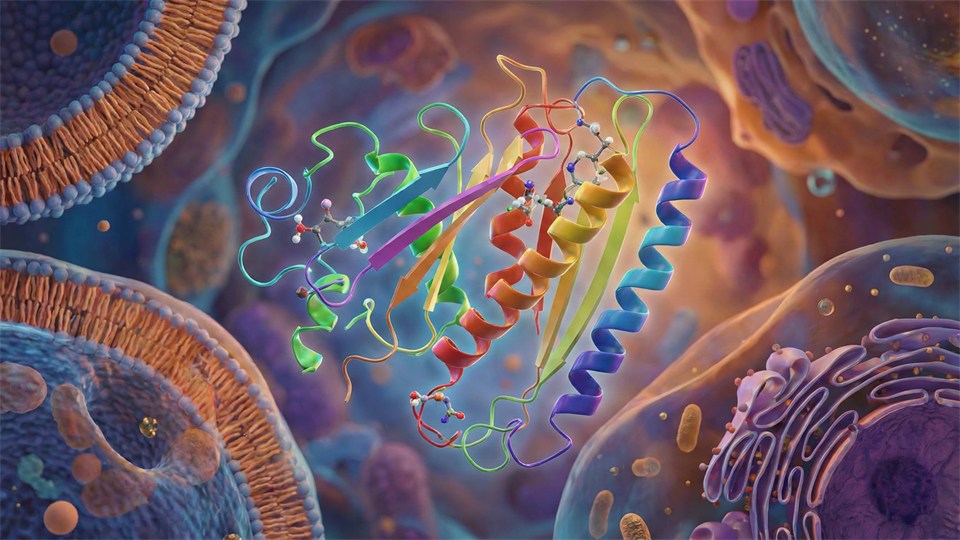


Protein is one of the most important nutrients for the body. But what exactly is protein, and why is it so crucial for our health? In this article, you’ll get a thorough and easy-to-understand explanation of what protein is, how it works in the body, where it’s found, and what you need to know about your daily protein intake.
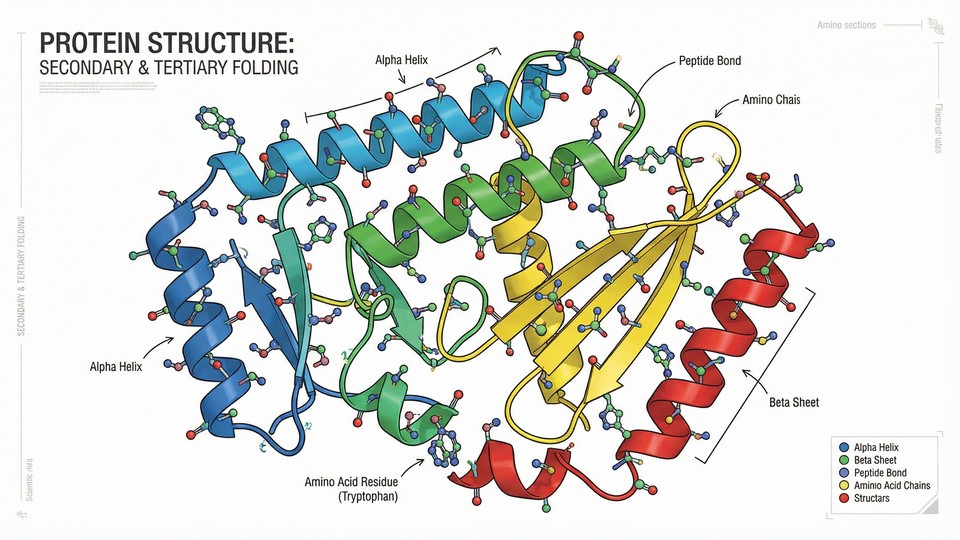
Protein is large, complex molecules made up of chains of smaller units called amino acids. There are 20 different amino acids, which can be combined in countless ways to form the many thousands of different proteins the body uses. Protein is found in all living organisms and is absolutely fundamental to life, because it plays a central role in almost all biological processes.
Amino acids are the small units that are joined together like beads on a string to form proteins. Of the 20 amino acids, 9 are essential – meaning the body cannot produce them itself, so we must get them through our diet. The remaining 11 amino acids can be produced by the body, as long as the essential ones are present.
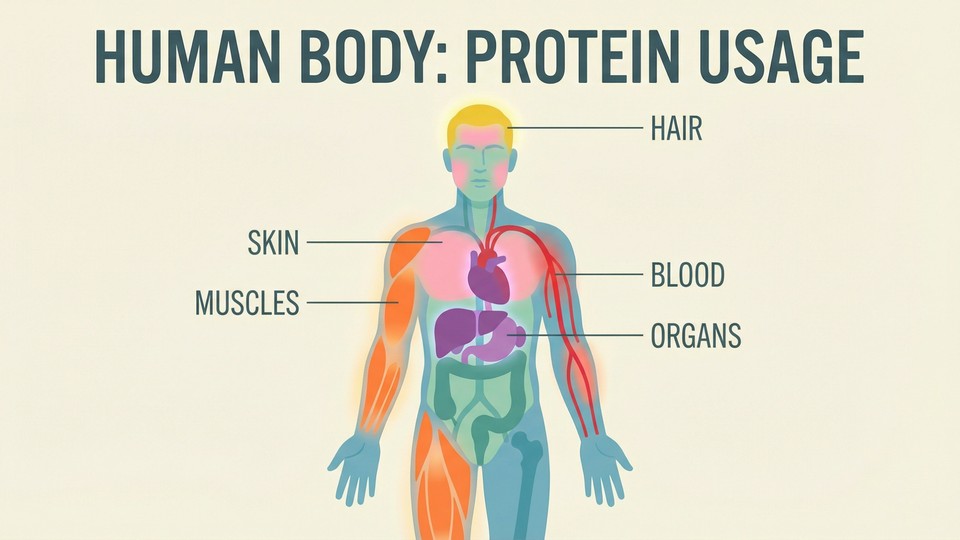
Protein has many different functions, all of which are crucial for our health and well-being. Here are some of the most important:
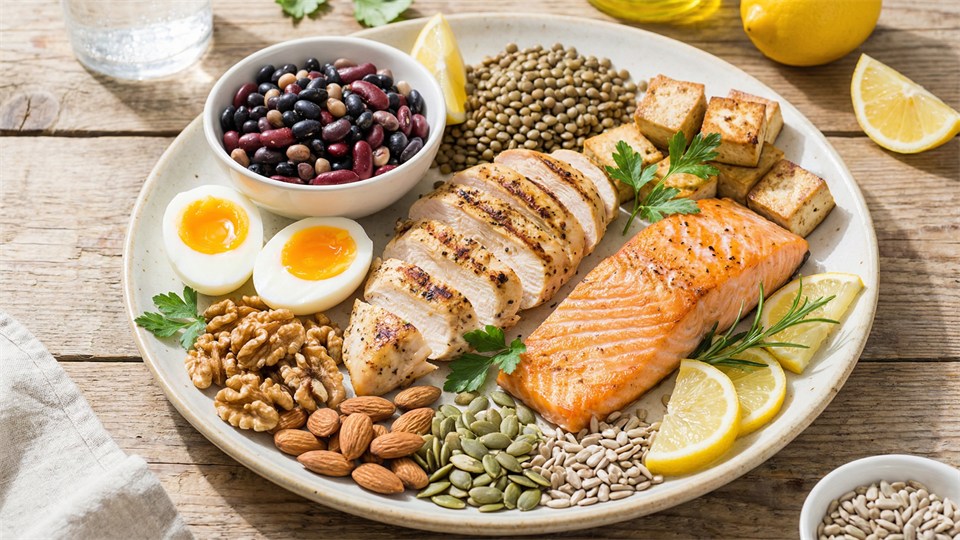
Protein is found in both animal and plant-based foods. Sources of animal protein include meat, fish, eggs, and dairy products. These foods typically contain all the essential amino acids and are therefore called complete proteins. Plant-based sources such as beans, lentils, chickpeas, nuts, and seeds also contain protein, but not always all the essential amino acids in sufficient amounts. By combining different plant-based foods, e.g., rice and beans, you can easily meet your needs.
The need for protein varies from person to person and depends on age, gender, weight, activity level, and health status. The official recommendations are about 0.8 grams of protein per kg of body weight per day for adults. A person weighing 70 kg therefore needs about 56 grams of protein daily. For children, pregnant women, breastfeeding women, the elderly, and people who exercise a lot, the need may be higher.
If, for example, you exercise a lot, build muscle, or are growing, the body needs extra protein to repair and build tissue. Conversely, too little protein intake, especially in the elderly, can lead to loss of muscle mass and weakening of the body.
Protein deficiency is rarely seen in Denmark and other Western countries, but can occur with a very monotonous diet or illness. Symptoms of deficiency can include fatigue, weakened immune system, loss of muscle mass, slow wound healing, and in the worst case, growth problems in children. Excessive protein intake is also not advisable and can strain the kidneys, especially if you already have reduced kidney function. For healthy people, however, it is rarely a problem to eat a little extra protein.
Most people meet their protein needs through a normal, varied diet. Here are some tips to ensure a sufficient and healthy protein intake:
Here is an example of how a day’s diet can cover the protein needs for an adult:
Altogether, this easily provides over 60 grams of protein.
Protein supplements such as protein powder or bars have become popular, especially among athletes. For most people, however, supplements are not necessary if the diet is varied. Supplements can be practical for people with a very high need or for those who have difficulty eating enough, but should not replace regular, healthy foods.
Protein is absolutely essential for your body and your health. It acts as a building block for muscles, tissue, skin, enzymes, and much more. By eating a varied diet with both animal and/or plant-based protein sources, you can easily meet your needs.
Remember, it’s not about eating as much protein as possible, but about getting the amount your body needs – neither too little nor too much.