


Fat burning is a concept that is often mentioned in connection with weight loss, exercise, and health. But what does it actually mean when we talk about burning fat? How does the process work in the body, and what can you do yourself to increase your fat burning? In this article, you will get a thorough but easy-to-understand introduction to fat burning, so you can understand what happens in the body and how you can best support the process.
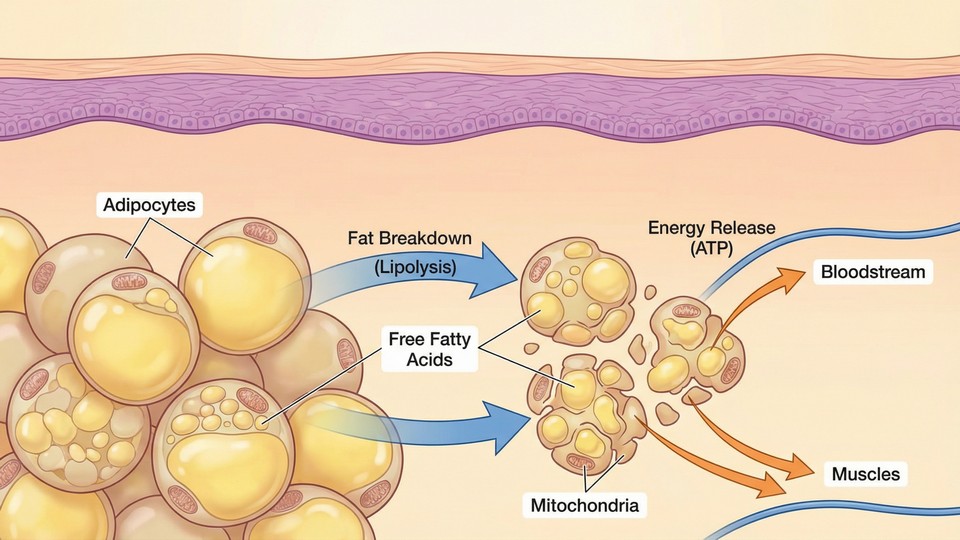
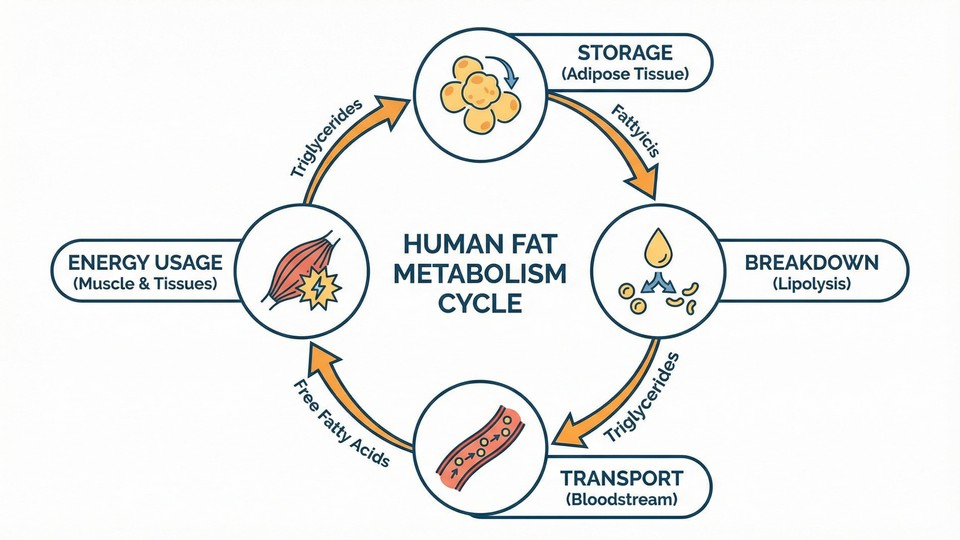
Fat burning is the body's process of converting stored fat into energy. Our body stores excess energy as fat in fat cells, which can be found under the skin, around the organs, and to a lesser extent in the muscles. When the body needs extra energy – for example during prolonged physical activity or fasting – it releases fatty acids from the fat cells so they can be used as fuel.
The chemical process behind fat burning is called lipolysis. Here, triglycerides (fats) are broken down into free fatty acids and glycerol, which can then be transported to muscles or organs and used to create energy through a process called oxidation. This is the process popularly referred to as "burning fat".
The body's energy needs are primarily met by three types of nutrients: carbohydrates, fat, and protein. At rest, the body uses mostly fat as an energy source because it is a slow but efficient fuel. When we are physically active, especially at low to moderate intensity, fat burning increases further.
When you eat more energy than you use, the body stores the excess as fat. Conversely – if you use more energy than you take in, the body will draw extra energy from the fat stores. It is precisely this balance that is central to weight loss and maintaining a normal weight.
During physical activity, the body uses both carbohydrates and fat as energy sources. Which source dominates depends on the intensity and duration of the activity:
An important point is that total energy expenditure is most important for weight loss. This means that you also "burn fat" even if you train hard, because the body will later draw energy from fat stores when carbohydrate stores are depleted.

Several factors affect how much fat the body burns. The most important are:
The body stores fat in different places – typically under the skin (subcutaneous fat), but also around the organs (visceral fat). Visceral fat is considered harmful to health in large amounts because it increases the risk of lifestyle diseases. However, it is not possible to determine exactly where on the body you lose weight first; fat burning occurs throughout the body depending on genetics and hormone balance.
Many people want to "spot reduce" fat from the stomach, thighs, or hips, but research shows that it is not possible to control where the body burns fat. It requires an overall energy deficit to draw from fat stores.
There are many myths about how to boost fat burning. Here are the most important, documented tips:
In addition, fasting periods (e.g. eating within a limited time frame) and carbohydrate restriction in the diet can increase fat burning, but the most important thing is an overall energy deficit.
Although many want to "optimize" their fat burning, the most important thing for weight loss and health is to achieve a sustained, but not too large, energy deficit. This means you need to eat fewer calories than you burn over time – preferably through a combination of a healthy diet and more movement.
Fat burning is therefore not just a matter of training on an empty stomach or eating certain foods. It's about creating the right conditions for the body to use fat as fuel, without it affecting muscle mass or well-being.
Fat burning is the body's natural process for converting stored fat into energy, especially when you are physically active or in an energy deficit. Although many dream of "boosting" fat burning, the most important thing is to focus on healthy habits, exercise, and a balanced diet. Weight loss and health are best achieved through patience and a holistic approach, where fat burning is just one part of the picture.