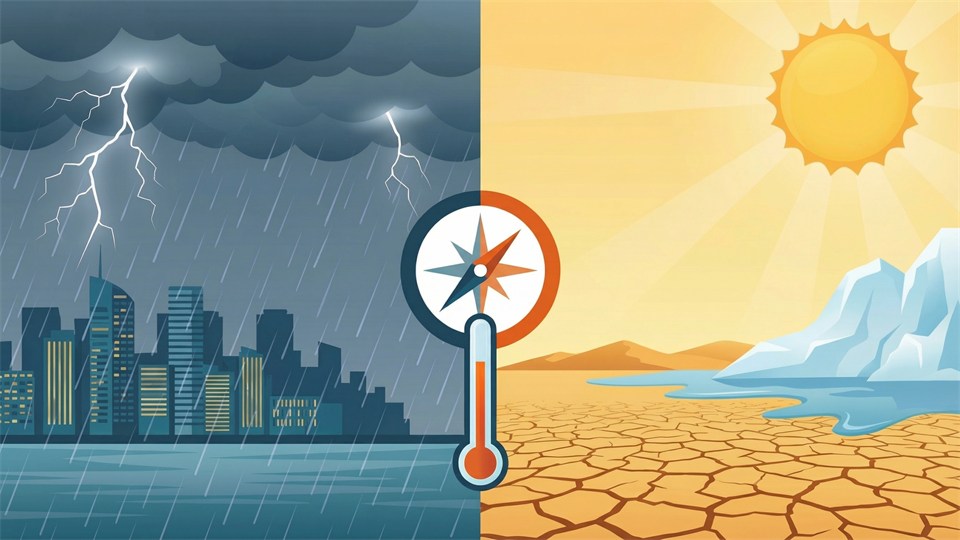


Many people use the words climate and weather interchangeably, but they actually do not mean the same thing. Knowing the difference is important, especially when we talk about climate change, weather forecasts, and the future of our planet. In this article, we explain what separates climate from weather, how they affect each other, and why it is important to know the difference.
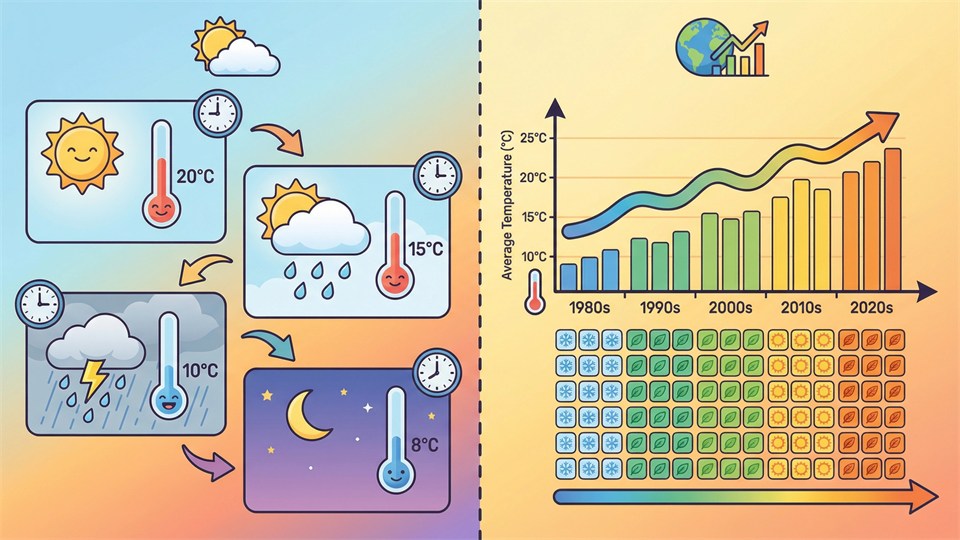
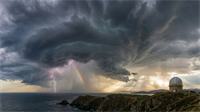
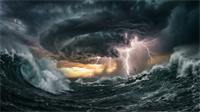
Weather is what we experience here and now – it describes the state of the atmosphere at a specific place and time. The weather can change from hour to hour and from day to day. It is about temperature, wind, precipitation, cloud cover, humidity, and pressure, which we notice when we look out the window.
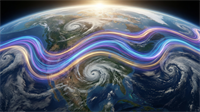
Climate describes the average weather over a longer period – typically 30 years or more – for a specific area. The climate tells us what the weather is normally like in a place, not what it is like right now. When we talk about "the Danish climate" or "tropical climate," we therefore mean the weather patterns over many years.
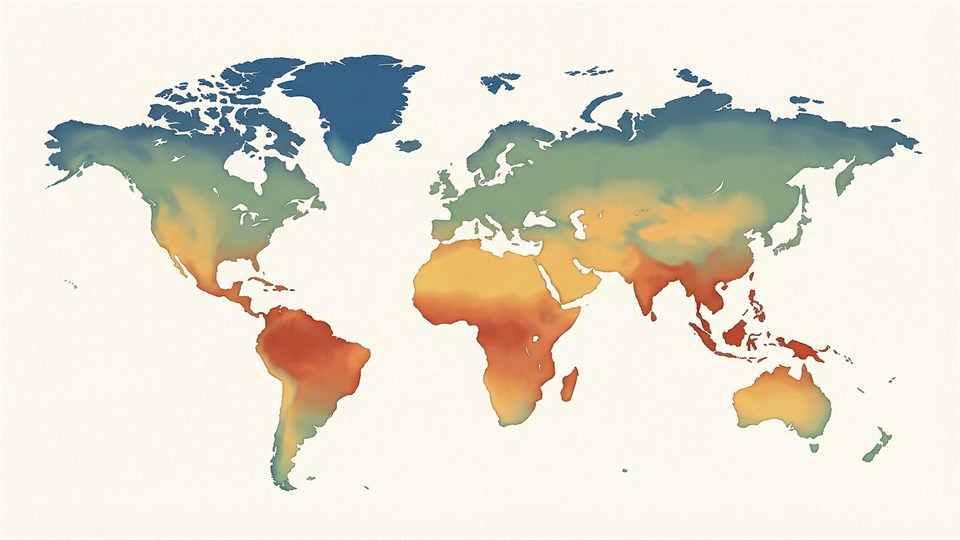
Although both weather and climate are about the atmosphere, there are three important differences:
"Climate is what you expect – weather is what you get." This means that the climate tells you whether you should usually expect warm summers or wet winters, while the weather tells you if you need to bring an umbrella today.
Weather and climate affect each other. The climate sets the framework for what weather is possible in a place, while the weather is the daily variations within the climate's framework. If the climate changes (for example, becomes warmer), over time it will also affect the weather – for example, more heatwaves or heavier rainstorms.
It is important to know the difference between weather and climate, especially when we talk about climate change. A single extreme weather event like a storm or a heatwave does not prove that the climate has changed. But if the weather changes systematically over many years – more hot days, more rain or drought – it may be a sign of changes in the climate.
The weather is measured continuously with instruments such as thermometers, rain gauges, and anemometers. Data is updated every minute or hour.
The climate is described based on averages of the weather over many years. Scientists look at temperature, precipitation, wind, cloud cover, and other factors over decades.
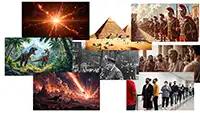
The Earth's climate has changed naturally over millions of years, but today the changes are happening much faster – especially due to human emissions of greenhouse gases. When the climate changes, it also affects the weather in the future: more extreme weather events, changed rainfall patterns, and rising temperatures.
Understanding the difference between weather and climate is crucial for interpreting weather forecasts, understanding the climate debate, and making decisions about the future. We experience the weather every day, but the climate is the long-term framework that determines what kinds of weather we can expect. Next time you see the weather forecast or hear about climate change, you now know exactly what the difference is!