

Every day, millions of people check the weather forecast to plan their activities. But how can meteorologists actually predict the weather – sometimes several days ahead? Making a weather forecast requires both advanced technology, extensive knowledge of natural science, and a good deal of experience. In this article, you’ll get an overview of the process from start to finish – from data collection to the final forecast.
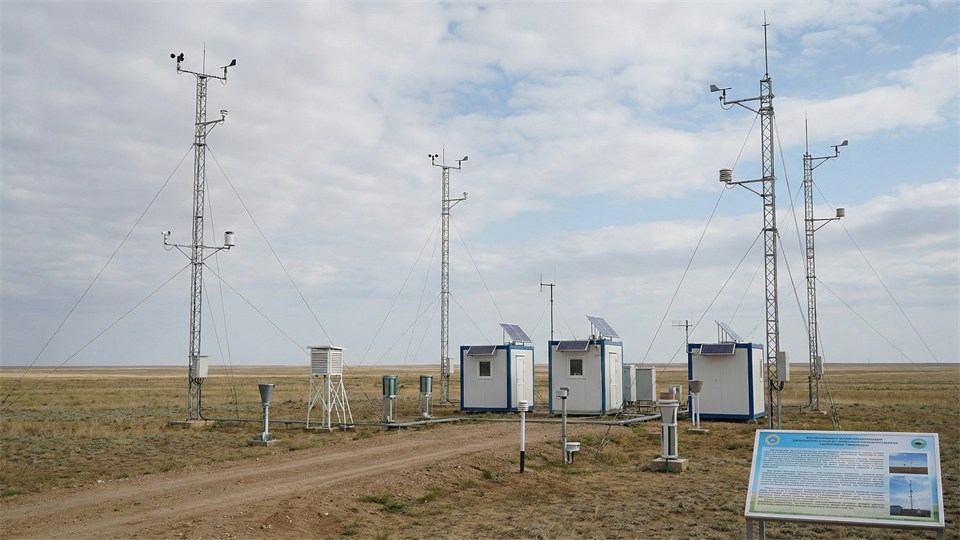
First and foremost, meteorologists need to know what the weather is like right now. That’s why enormous amounts of data are collected from all over the world – around the clock. This is done through several different methods:
The weather changes quickly and locally. To predict it accurately, meteorologists need as detailed a "picture" as possible of the current state of the atmosphere.
Once the data has been collected, it must be checked and compiled into a common system. Errors or unlikely measurements are sorted out, and missing data is attempted to be filled in using nearby measurements. After this, it’s time to use supercomputers and mathematical models.
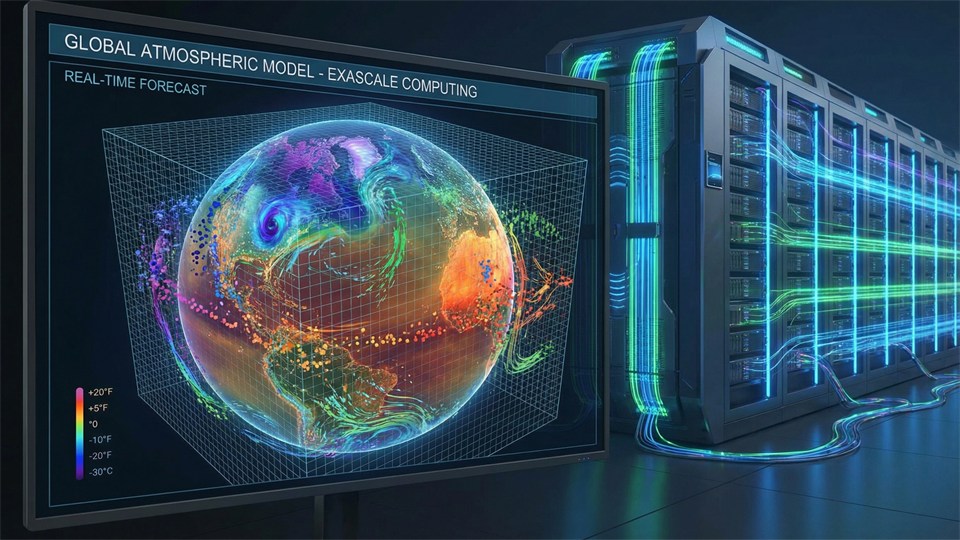
The heart of modern weather forecasting is the so-called numerical weather models. These are advanced computer programs that calculate how the weather will develop based on current measurements and physical laws.
A weather model divides the atmosphere into a three-dimensional grid of small "cubes" (grid cells), and in each cell, temperature, humidity, wind, pressure, and other parameters are calculated. The model computes how these values change from minute to minute, hour by hour, often several days ahead.
Even the best computer models can’t predict everything. That’s why meteorologists compare several different model runs and assess which ones look most realistic. They also use their experience and local knowledge to adjust the forecast.
Often, so-called "ensemble forecasts" are made, where the same model is run many times with small variations in the initial conditions. This gives an impression of how certain the outcome is – and whether the weather can change direction.
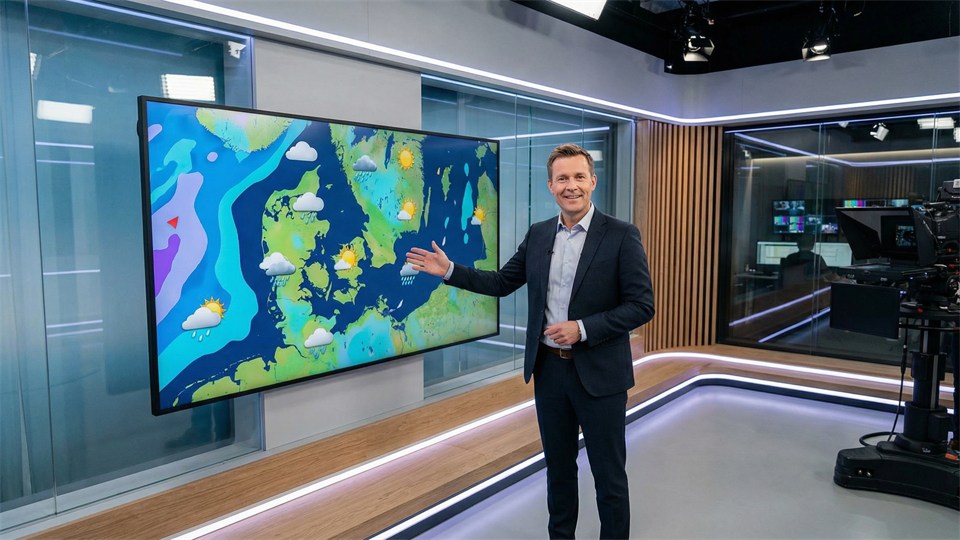
When the final forecast is ready, it is communicated to the public. This happens via TV, apps, websites, radio, and newspapers. Meteorologists select the most important information and make it easy to understand – e.g. temperature, precipitation, wind, cloud cover, and special weather phenomena.
Weather forecasts are most accurate 1-3 days ahead, but uncertainty increases the further into the future you look. This is because the atmosphere is chaotic, and small differences in initial data can lead to large differences later. That’s why long-term forecasts are more uncertain and are often given as probabilities (e.g. "60% chance of rain").
Development is moving fast: Better satellites, more measurements, and more powerful computers are making weather forecasts more accurate year by year. New techniques – such as artificial intelligence and machine learning – help meteorologists interpret huge amounts of data and find patterns that are otherwise hard to spot.
A weather forecast is the result of an impressive interplay between technology, natural science, and human expertise. From measurements all over the globe to advanced computer models and assessments from experienced meteorologists – all this makes it possible to give us a glimpse into the weather of the future. Even though 100% certainty is never possible, weather forecasts are getting better and more important for both everyday life and society.