
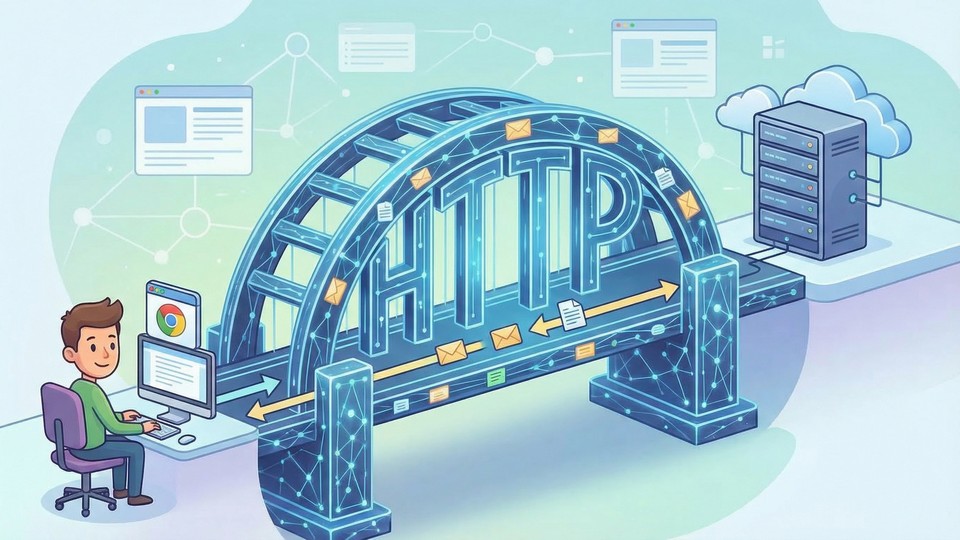


HTTP is one of the most important concepts in modern technology and the internet. Without HTTP, you wouldn't be able to read this article, stream videos, or shop online. But what exactly is HTTP, and why is it so crucial for the web?
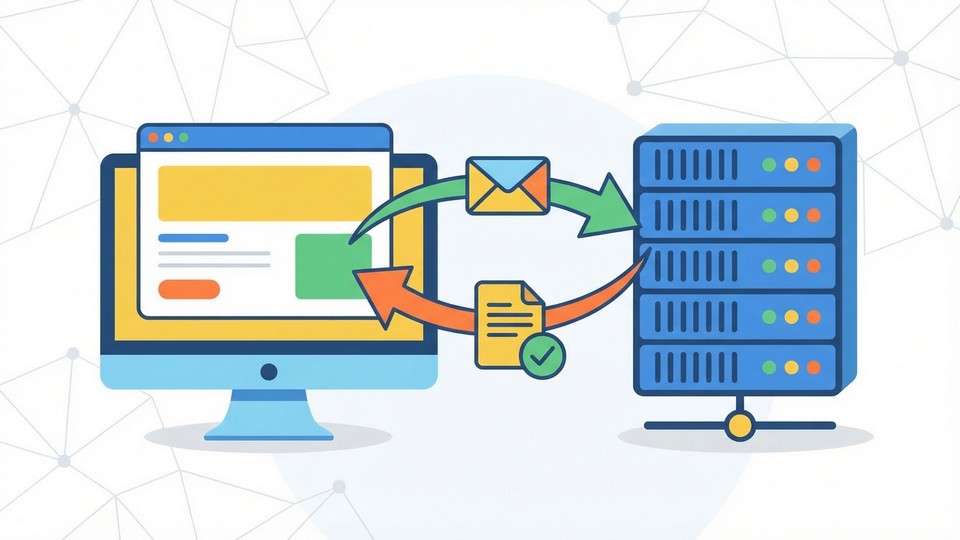
HTTP is short for HyperText Transfer Protocol. It is a set of rules that allows computers to send and receive information over the internet. When you enter a web address in your browser and press Enter, your computer uses HTTP to request the desired website from a server somewhere in the world.
HTTP works like a language that allows your browser (client) and a web server to exchange messages. The process can be explained in a few steps:
All this happens in just a few milliseconds, and it is repeated every time you click a link, submit a form, or refresh a page.
HTTP uses different methods to define what the client wants to do. The most common are:
Most common web visits use GET and POST.
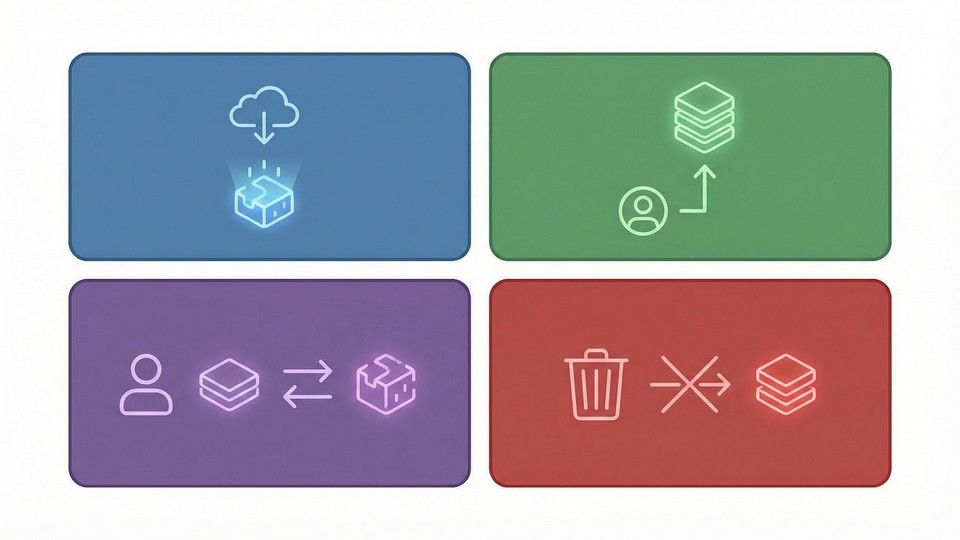
When a server receives a request, it responds with a status code that tells the browser how it went. Some of the most common are:
Status codes help both users and developers understand what is happening behind the scenes.
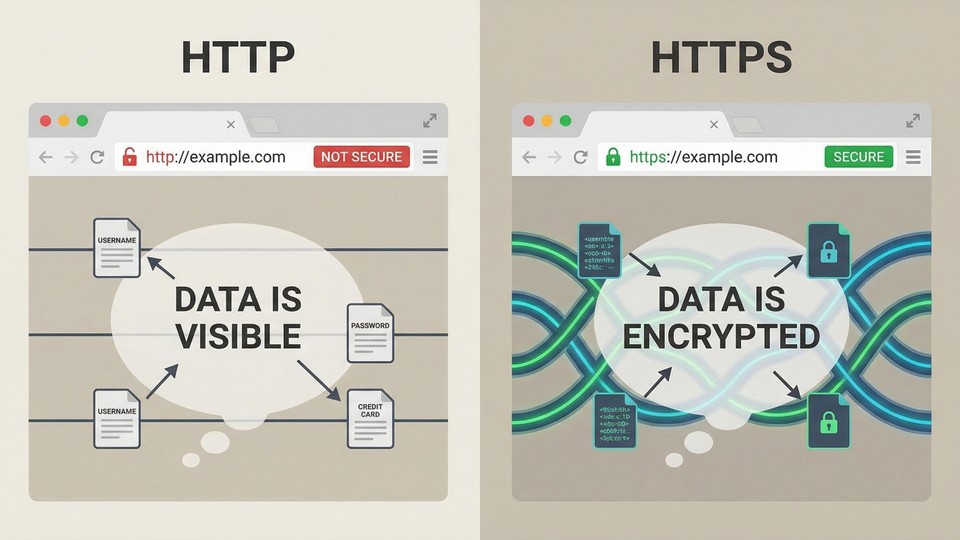
You may have noticed that some web addresses start with https:// and others with http://. The difference lies in security:
Today, almost all major websites use HTTPS to protect users' data.
HTTP is the foundation of all communication on the World Wide Web. Every time you read the news, check your email, or watch videos online, it happens via HTTP or HTTPS. Without this protocol system, the internet would not function as we know it.
HTTP was invented in the early 1990s along with the World Wide Web. Since then, the protocol has been updated several times to become faster, more efficient, and more secure. The latest versions, such as HTTP/2 and HTTP/3, have made it possible to load pages faster and with less waiting time for the user.
So HTTP is not just for browsers – it is also used by apps, smart devices, and much more.
HTTP is one of the most fundamental technologies for the functioning of the internet. It enables computer software to communicate, share information, and create the web experiences we know today. With security improvements like HTTPS and ongoing development, HTTP remains a cornerstone of the digital world.